


How to Choose the Right PVB Interlayer Thickness for Large Glass Panels, Best Laminated Glass for High-Rise Homes, Noise Reduction Benefits, Anti-Theft Protection, and Why Laminated Safety Glass Is the Smartest Choice for Modern Families
Laminated glass has become one of the most popular choices for modern windows and doors, especially for homeowners who prioritize safety, sound insulation, comfort, and long-term durability. But many people still do not fully understand how laminated glass works, what makes it superior to ordinary glass, or how to choose the correct PVB interlayer thickness for different glass sizes. In this complete guide, Warren’s mini class explains everything you need to know about laminated glass in a simple and practical way.
Laminated glass is manufactured by bonding two layers of glass together with a special PVB (Polyvinyl Butyral) interlayer placed between them. This advanced structure gives laminated glass a major safety advantage over standard tempered or float glass. When ordinary glass breaks, the fragments scatter and can easily cause injuries. Laminated glass behaves differently. Even after impact or breakage, the broken pieces remain attached to the PVB interlayer instead of falling apart. This significantly reduces the risk of injury and helps maintain the overall integrity of the window.
This feature makes laminated glass especially suitable for homes with children, pets, elderly family members, and high-rise apartments where safety is a top concern. In tall buildings, falling glass can be extremely dangerous. Laminated safety glass helps prevent shattered fragments from dropping, offering homeowners extra peace of mind. At the same time, the strengthened structure also improves anti-theft performance because the glass is much harder to penetrate quickly.
Another major advantage of laminated glass is its excellent sound insulation performance. Compared with standard glass systems, laminated glass can effectively reduce low-frequency and mid-frequency noise from traffic, construction sites, urban environments, and crowded streets. For homeowners living near highways, airports, commercial districts, or busy neighborhoods, laminated glass can dramatically improve indoor comfort and create a quieter living environment.
Modern premium laminated glass also provides UV protection benefits. High-quality PVB interlayers can filter a significant percentage of ultraviolet rays, helping protect furniture, curtains, wooden flooring, carpets, and interior decorations from fading due to prolonged sun exposure. This combination of safety, acoustic insulation, and UV resistance makes laminated glass one of the most practical and cost-effective window solutions available today.
However, one of the most important yet frequently overlooked factors when selecting laminated glass is choosing the correct PVB interlayer thickness. Many homeowners focus only on the glass thickness itself while ignoring the role of the interlayer. In reality, the PVB thickness directly affects the glass’s bonding strength, safety performance, impact resistance, and structural stability.
The larger the glass panel, the thicker the PVB interlayer should be. Choosing an interlayer that is too thin may reduce safety performance and long-term durability, especially for oversized window systems commonly used in luxury homes and modern architectural designs. Although thinner interlayers may reduce initial costs, sacrificing safety for short-term savings is never recommended.
Below is the recommended PVB interlayer thickness guide based on glass area:
- Glass area under 1.5 square meters: use 0.76 PVB
- Glass area between 1.5 and 2.5 square meters: use 1.14 PVB
- Glass area between 2.5 and 4 square meters: use 1.52 PVB
- Glass area between 4 and 6 square meters: use 1.9 PVB
- Glass area between 6 and 8 square meters: use 2.28 PVB
- Glass area between 8 and 12 square meters: use 2.66 PVB
- Glass area over 12 square meters: use 3.04 PVB
As a general rule, thicker interlayers provide stronger adhesion, higher impact resistance, better security performance, and greater overall safety. This is especially important for floor-to-ceiling windows, panoramic window systems, oversized sliding doors, and high-end architectural glass applications.
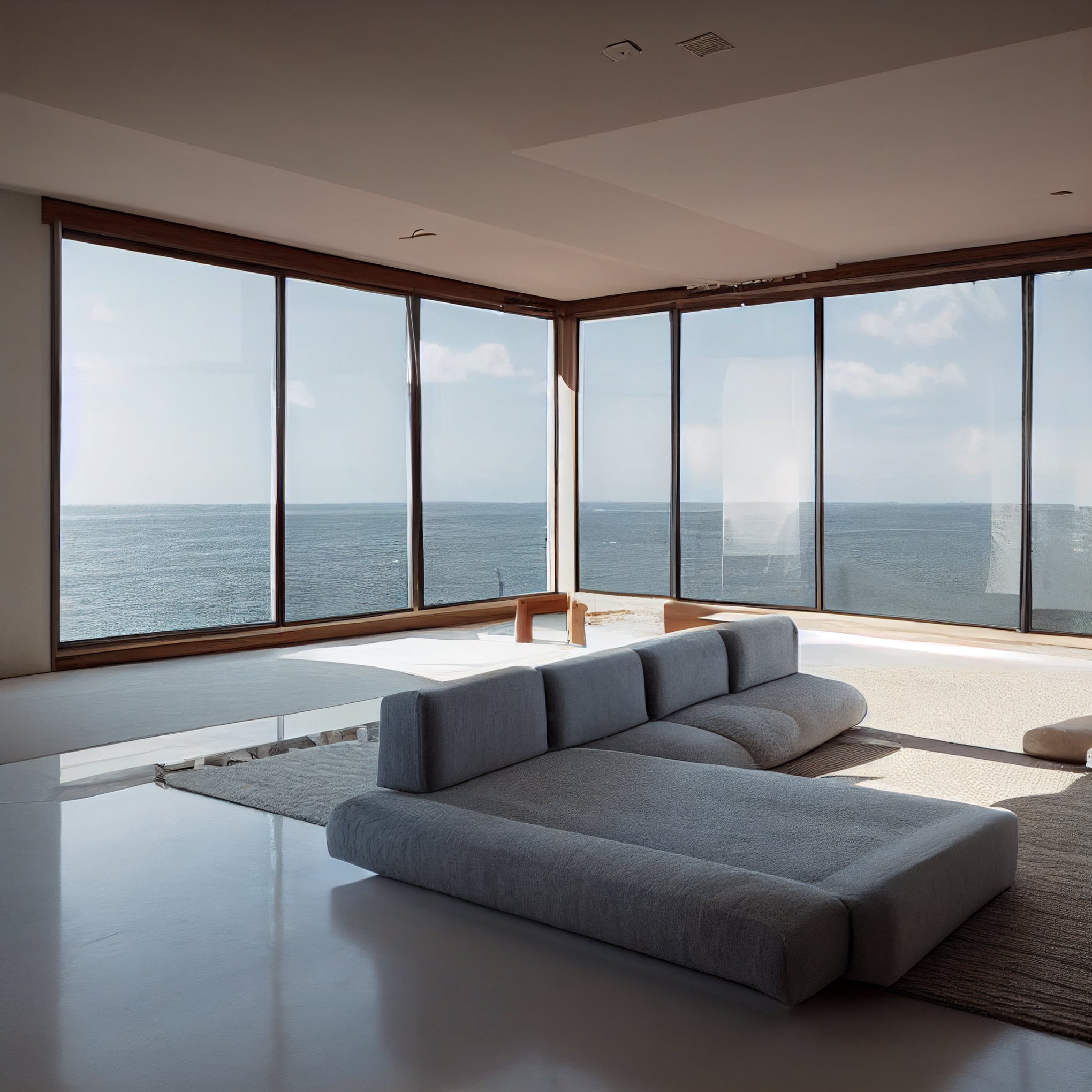
In recent years, modern home design trends have increasingly favored large glass panels to maximize natural light and create open living spaces. As a result, choosing high-quality laminated glass with the correct PVB thickness is more important than ever. A properly designed laminated glass system not only improves safety and comfort but also enhances energy efficiency and increases the long-term value of the property.
When selecting laminated glass, homeowners should also pay attention to several additional factors, including glass processing quality, edge polishing standards, lamination technology, and the quality of the PVB material itself. High-end processing factories use advanced equipment and strict quality control standards to ensure that the laminated glass maintains excellent transparency, bonding performance, and durability over time.
Poor-quality laminated glass may develop problems such as bubbling, delamination, haze, or reduced structural performance after prolonged exposure to heat and humidity. Therefore, choosing a reliable window manufacturer and experienced glass processing factory is just as important as selecting the right specifications.
For architects, builders, designers, and homeowners alike, laminated glass continues to be one of the best investments for modern residential and commercial buildings. Whether your goal is enhanced home security, superior soundproofing, UV protection, or long-term safety, laminated glass offers a balanced solution that combines performance, aesthetics, and practicality.
If you are planning to upgrade your windows or select glass for a new project, understanding laminated glass technology and PVB thickness standards can help you make smarter decisions and avoid costly mistakes. By matching the interlayer thickness correctly to the glass size, you can achieve optimal safety performance while maintaining excellent value for your investment.
In summary, laminated glass is the ideal choice for anyone seeking safer, quieter, and more durable windows. Its ability to hold together after breakage, reduce noise pollution, block harmful UV rays, and improve anti-theft performance makes it one of the most advanced window solutions available in today’s market. Always choose the appropriate PVB interlayer thickness according to the glass area, and never compromise safety simply to reduce costs.
Warren’s mini class continues to provide professional insights into window systems, architectural glass, home safety, soundproofing technology, and modern building materials to help homeowners make informed and confident choices.
