



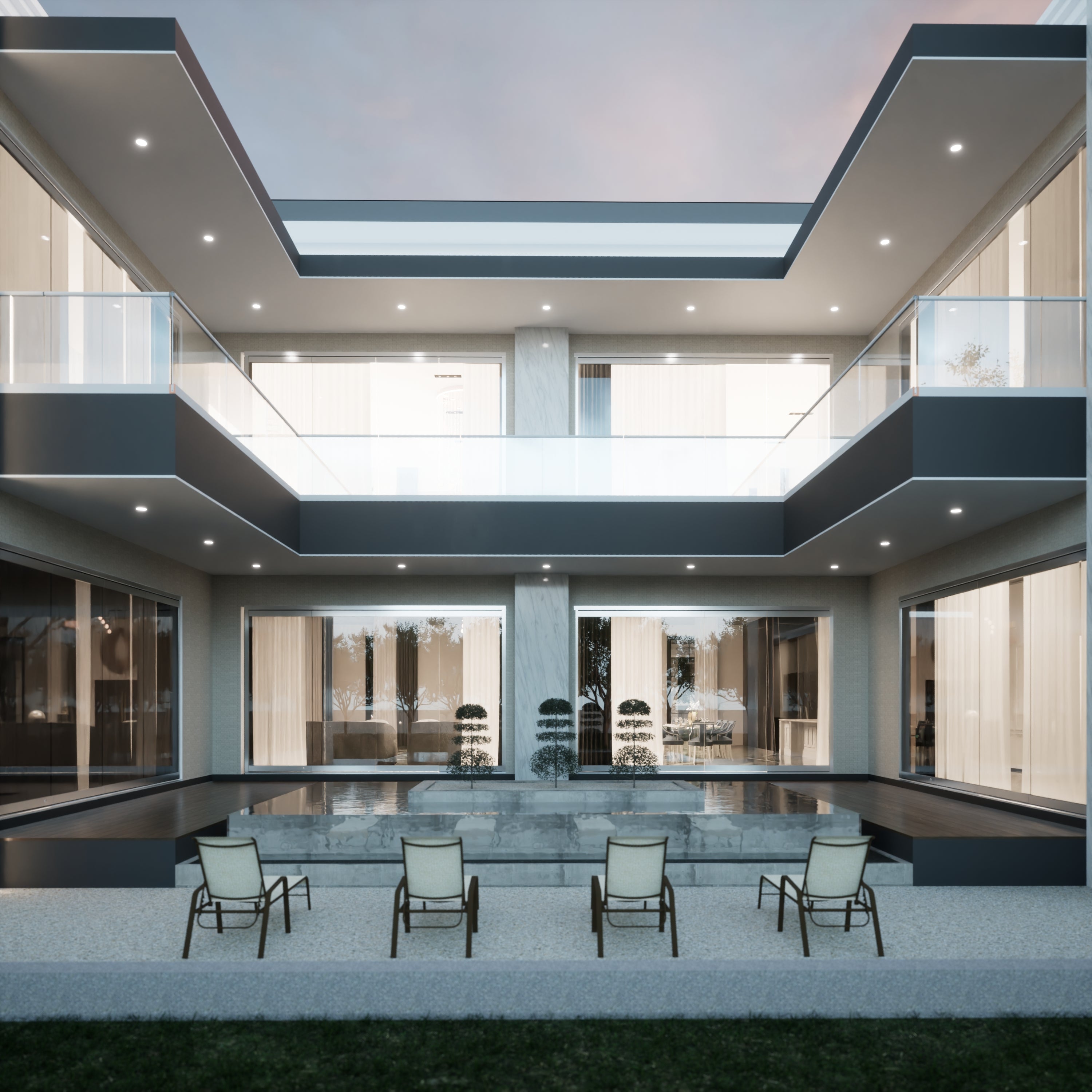
Why Cheap Windows Often Cost More in the Long Run: The Hidden Truth About Window and Door Brands, Material Quality and Why Premium Windows Deliver Better Performance, Safety, Energy Efficiency, and Long-Term Value for Modern Homes
When homeowners begin shopping for new windows and doors, one of the first things they notice is the enormous difference in pricing. Products that appear almost identical on the surface can vary dramatically in cost, with some windows selling for just a few hundred dollars while others command premium prices. This naturally raises an important question: If they look the same, why should anyone pay more for a premium window brand?
The answer lies in what most homeowners never see.
The true difference between low-cost windows and premium window systems is rarely visible at first glance. In fact, many of the most important factors that determine performance, durability, safety, energy efficiency, and long-term value are hidden inside the product itself. These differences often remain unnoticed during the purchasing process but become painfully obvious after several years of use.
In this video, we take a deep dive into the hidden world of window and door manufacturing to reveal why some products fail prematurely while others continue performing reliably for decades.
Many budget window brands compete primarily on price. To achieve these lower prices, manufacturers often reduce costs in areas that are difficult for consumers to evaluate. This can include lower-grade aluminum profiles, cheaper hardware components, inferior thermal break materials, lower-quality insulated glass, and sealing systems made from recycled or low-rubber-content materials.
At first, these cost-saving measures may seem insignificant. However, over time they can lead to serious performance issues. Sealing strips may shrink, harden, crack, or lose elasticity. Hardware may wear prematurely. Glass units may experience reduced sealing performance. Thermal insulation efficiency may decline. Air leakage, water infiltration, noise intrusion, and operational difficulties can gradually become common problems.
Another critical factor often overlooked by homeowners is after-sales service and long-term warranty support. Many small brands offer extremely long warranty periods, sometimes claiming coverage for decades or even a lifetime. However, if the company lacks manufacturing infrastructure, established service networks, or long-term business stability, those promises may become meaningless when problems arise years later.
A reliable window manufacturer invests not only in products but also in customer support systems, technical service teams, quality control processes, and long-term brand development. This infrastructure provides homeowners with confidence that assistance will still be available years after installation.
Material quality is another area where significant differences exist. Premium sealing systems often utilize high-performance EPDM rubber designed to maintain flexibility, elasticity, and weather resistance for many years. High-quality materials help preserve airtightness, watertightness, thermal insulation, and acoustic performance throughout the product's service life.
Similarly, premium manufacturers partner with leading suppliers of aluminum profiles, thermal break strips, hardware systems, insulated glass, and engineering materials. Every component contributes to the overall performance of the finished window system.
Precision manufacturing technology also plays a major role in determining quality. Advanced production equipment can achieve exceptionally tight tolerances and highly accurate profile cutting. Even microscopic differences in manufacturing precision can affect frame alignment, structural integrity, corner strength, sealing effectiveness, and overall durability.
World-class insulated glass production lines further enhance performance by improving glass sealing quality, reducing failure rates, and increasing long-term energy efficiency. These investments often require millions of dollars in equipment, engineering expertise, and quality assurance systems.
While these manufacturing details remain invisible to most homeowners, they directly influence how a window performs during extreme weather conditions, seasonal temperature changes, and years of daily use.
The reality is that windows and doors are among the most important components of a building envelope. They influence indoor comfort, energy consumption, weather protection, security, sound insulation, and overall property value. Choosing products based solely on initial price can lead to significantly higher costs in maintenance, repairs, replacements, and lost energy efficiency over time.
This comprehensive guide explains why premium window brands continue investing in better materials, more advanced manufacturing technologies, stricter quality standards, and stronger customer support systems. It also demonstrates how these investments translate into measurable benefits for homeowners.
Whether you are building a new home, renovating an existing property, replacing aging windows, or comparing different window brands, this video will help you understand what truly separates high-quality window systems from low-cost alternatives.
Topics covered include:
• Cheap vs premium windows comparison
• Hidden costs of low-priced windows and doors
• Window material quality explained
• EPDM sealing strips and weather resistance
• Thermal break technology and energy efficiency
• Insulated glass manufacturing standards
• Window hardware quality and durability
• Aluminum profile precision and structural strength
• Airtightness and watertightness performance
• Long-term maintenance and replacement costs
• Window warranty considerations
• After-sales service importance
• Home renovation and construction planning
• Energy-saving window systems
• Premium window manufacturing processes
• How to choose the best windows for your home
By understanding what happens behind the scenes during design, manufacturing, quality control, and installation, homeowners can make more informed decisions and avoid costly mistakes.
