


The Ultimate Guide to Window Sash Sizes for Modern Homes: Best Window Dimensions for Safety, Comfort, Ventilation, Ergonomics, and Floor-to-Ceiling Designs Every Homeowner Must Know Before Installing New Windows and Doors
When installing new windows and doors, most homeowners focus only on appearance. However, professional window design is not just about aesthetics — it must also balance ergonomics, ventilation, safety, functionality, and long-term durability. Choosing the wrong window sash size can make daily operation uncomfortable, create safety risks for children, and even reduce the lifespan of your hardware system.
In this complete guide, we explain the most important window sizing standards every homeowner should understand before purchasing aluminum windows, casement windows, inward-opening windows, or floor-to-ceiling window systems.
This video covers professional recommendations for:
• Ideal window sash height and width
• Ergonomic window handle placement
• Safe window sill heights for families with children
• Best dimensions for inward-opening windows
• Proper ventilation design principles
• Hardware load-bearing limitations
• Large opening window system recommendations
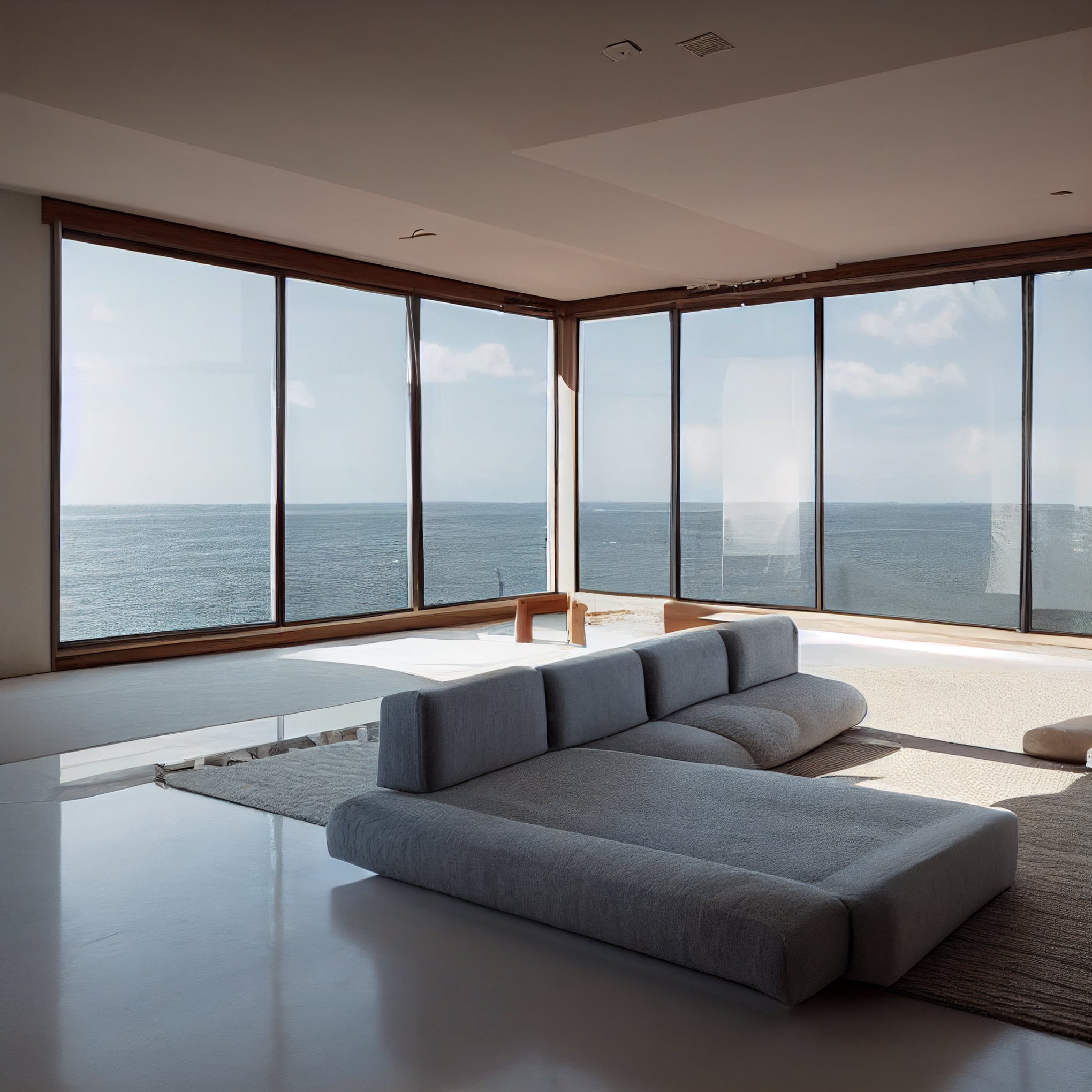
• Modern floor-to-ceiling window considerations
• Window safety standards for residential homes
• Professional window and door design advice
According to ergonomic research and modern residential design standards, the ideal opening sash height is typically between 100–140 cm. Within this range, homeowners can achieve optimal airflow while maintaining comfortable daily operation. Window widths are generally recommended between 60–70 cm because this range aligns naturally with the average adult arm span and improves usability.
Many homeowners incorrectly pursue oversized opening sashes without understanding the structural and hardware limitations involved. Once the sash width exceeds 75 cm, operation becomes more difficult, hardware stress increases significantly, and safety risks may appear — especially for inward-opening systems.
If your project requires oversized windows or full-height floor-to-ceiling opening systems, investing in premium hardware becomes essential. High-performance hardware brands such as Sobinco and Roto are specifically engineered for large-scale window systems and higher load-bearing performance. However, these upgrades often increase project costs, so homeowners should balance aesthetics with practical budgets.
Another critical issue discussed in this guide is window sill safety. For modern homes, the recommended window sill or fixed lower section height is typically between 95–110 cm from the floor. This height not only improves viewing comfort but also reduces climbing risks for children, making it especially important for family homes.
If your existing window sill height is below 90 cm, installing protective guardrails is strongly recommended. Safety should always come before appearance.
The video also explains one of the most overlooked details in window design: handle positioning. Proper handle height directly affects daily comfort and accessibility. Professional recommendations suggest placing the handle center approximately 155 cm from the floor, which falls within the most comfortable ergonomic operating range for both men and women.
Poor handle positioning can make windows difficult to operate and uncomfortable for long-term daily use. Fortunately, many designs allow slight handle adjustments without affecting window functionality.
This educational guide is ideal for homeowners, architects, interior designers, contractors, builders, renovation professionals, and anyone planning to install modern aluminum windows or upgrade residential window systems.
Whether you are designing a luxury modern villa, renovating an apartment, or building a new home, understanding these key window dimensions can help you avoid costly mistakes and ensure your windows are safe, functional, and comfortable for years to come.
If you are currently comparing window systems, aluminum window suppliers, inward-opening windows, casement systems, or large panoramic glass designs, this guide provides practical professional insights that can help you make smarter decisions during your renovation or construction process.
Watch until the end for a complete summary of recommended window dimensions and ergonomic design standards
